HAENYEO, Mulheres do Mar, Luciano Candisani
30 de Maio - 15 de Setembro, 2026
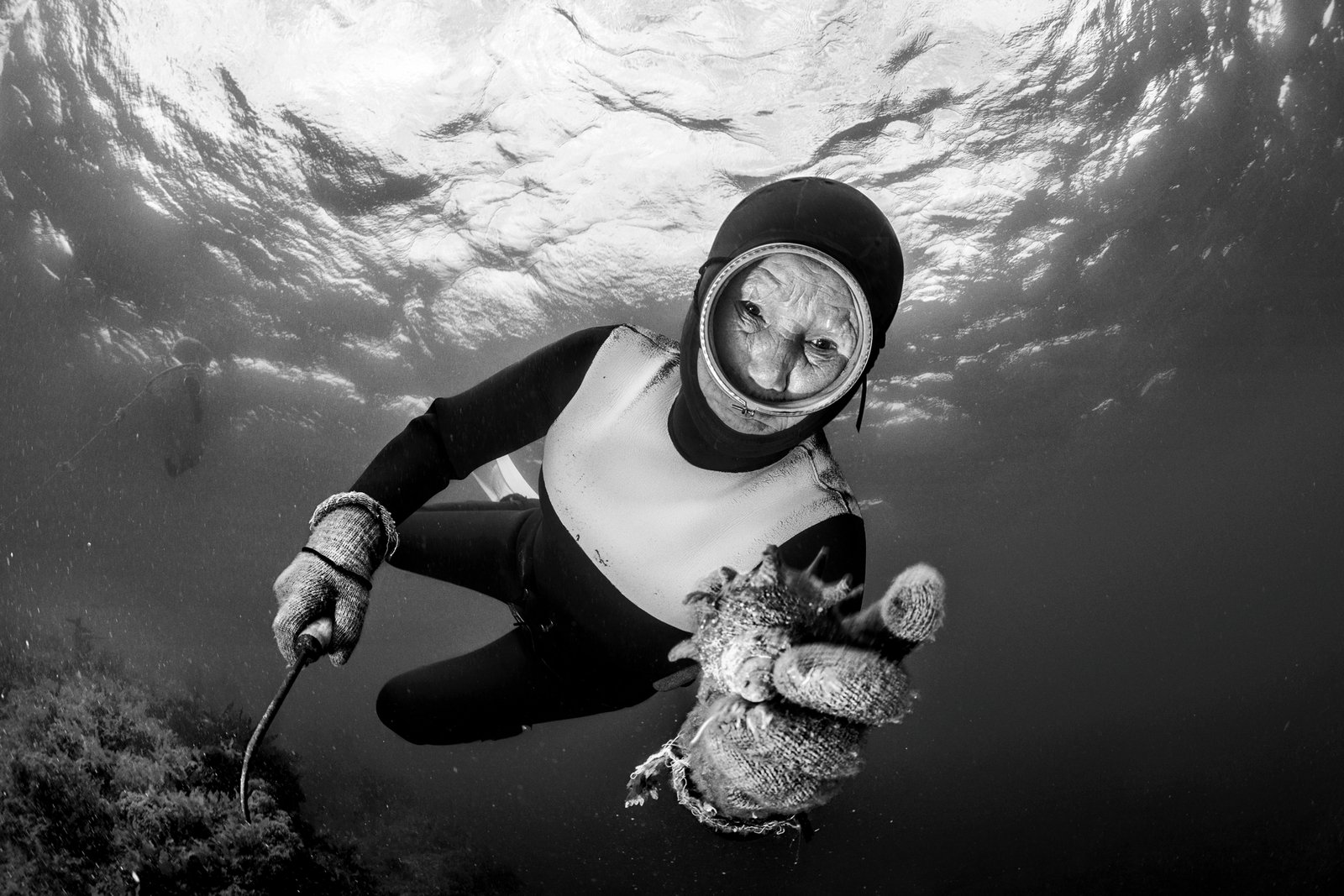
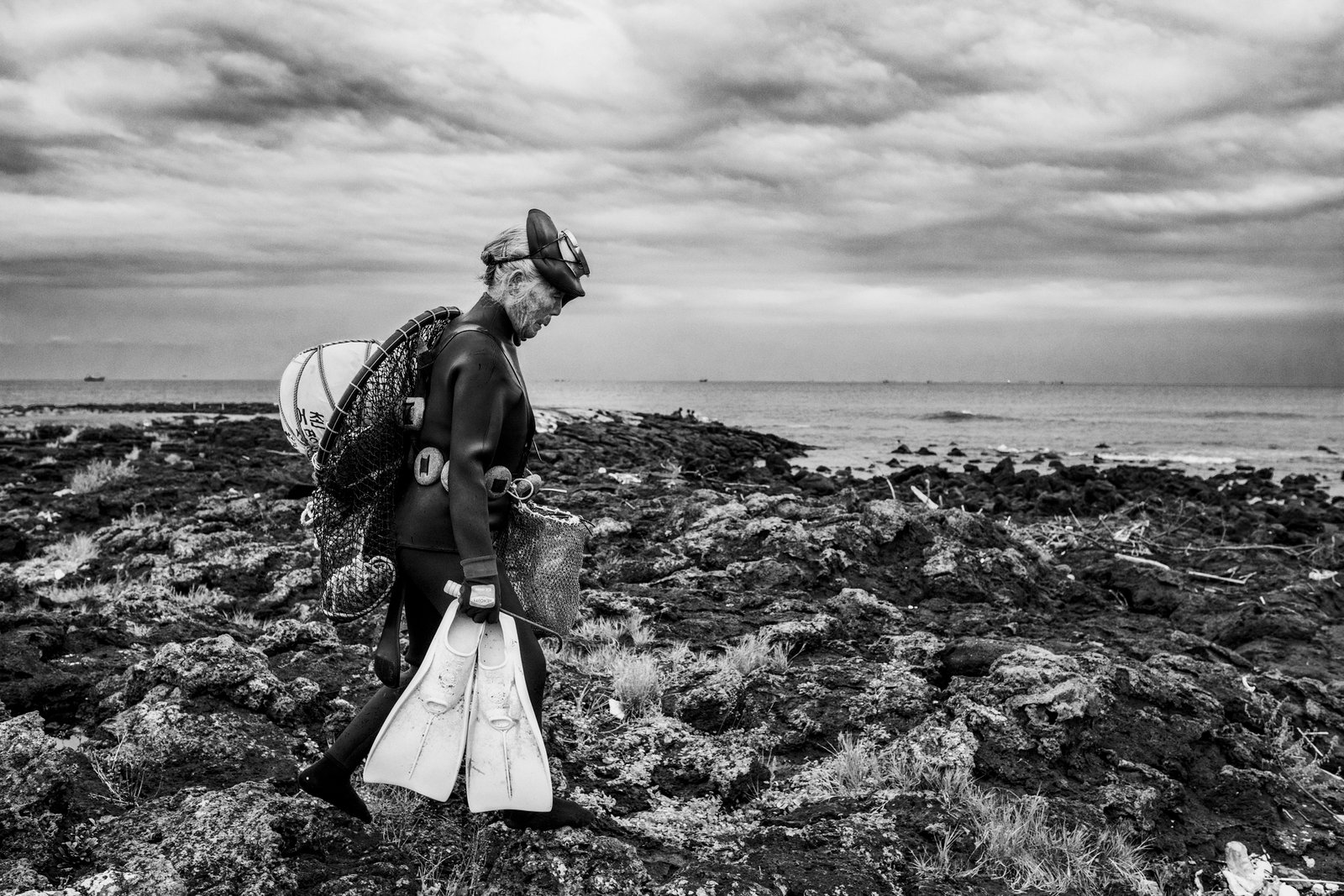
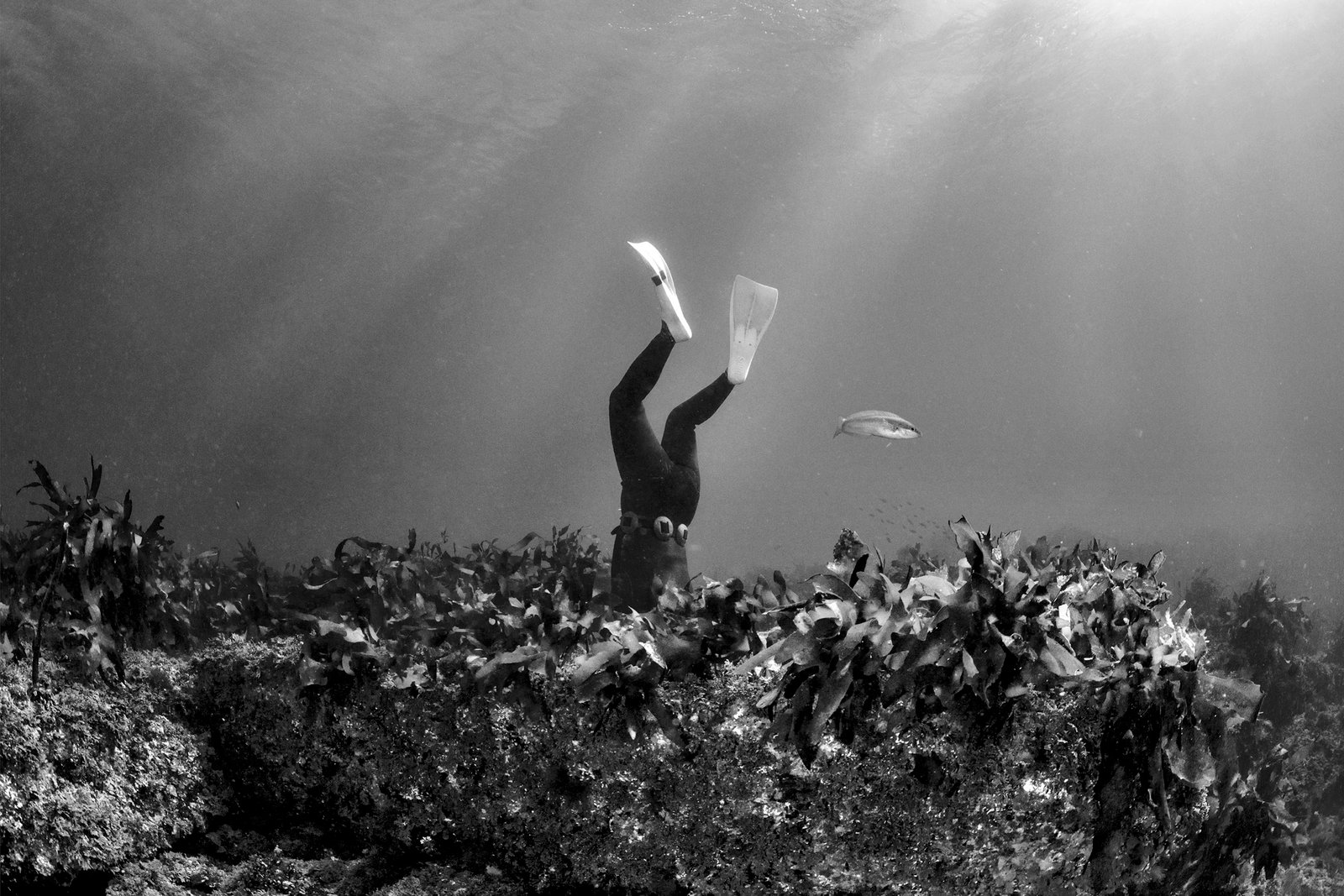
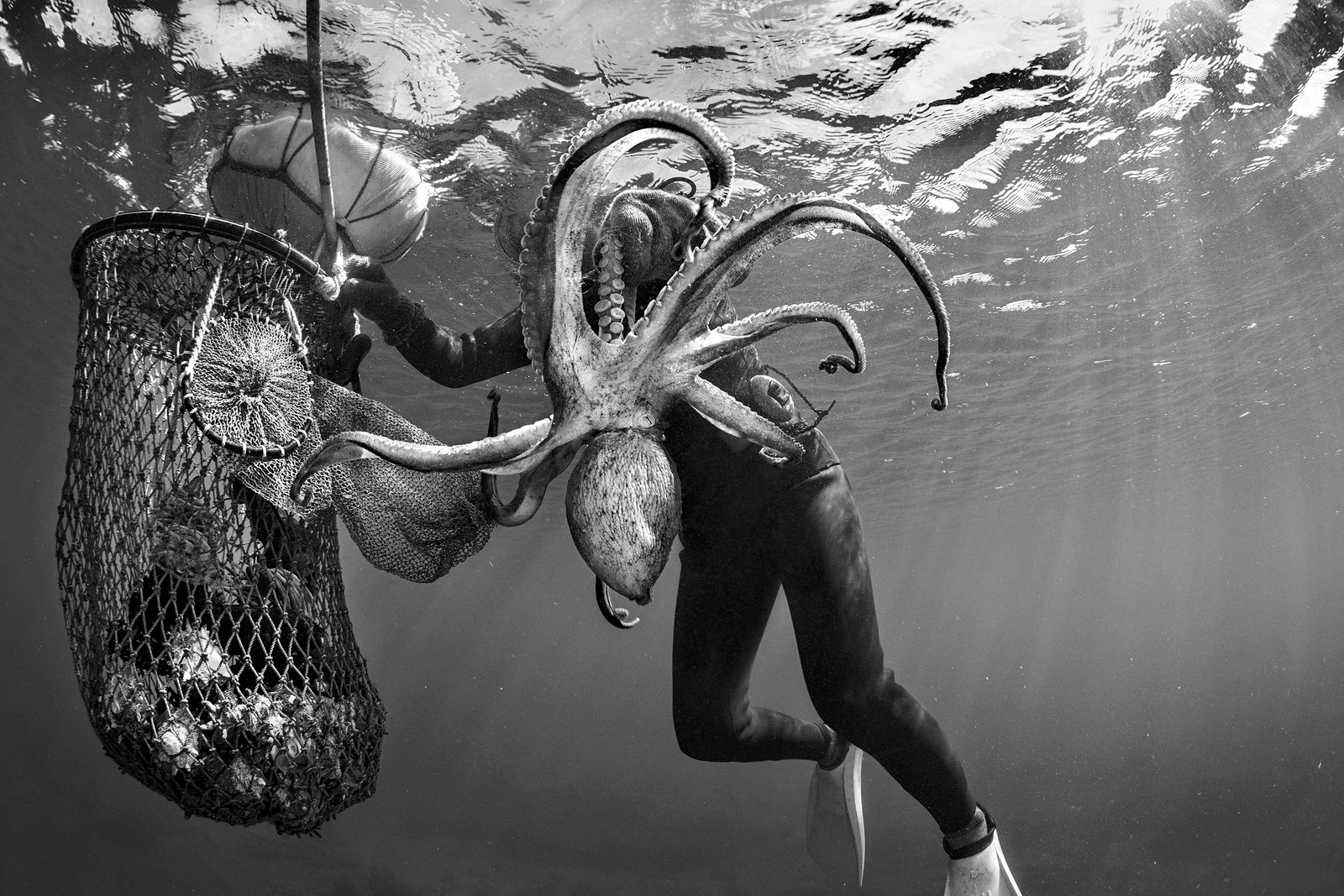
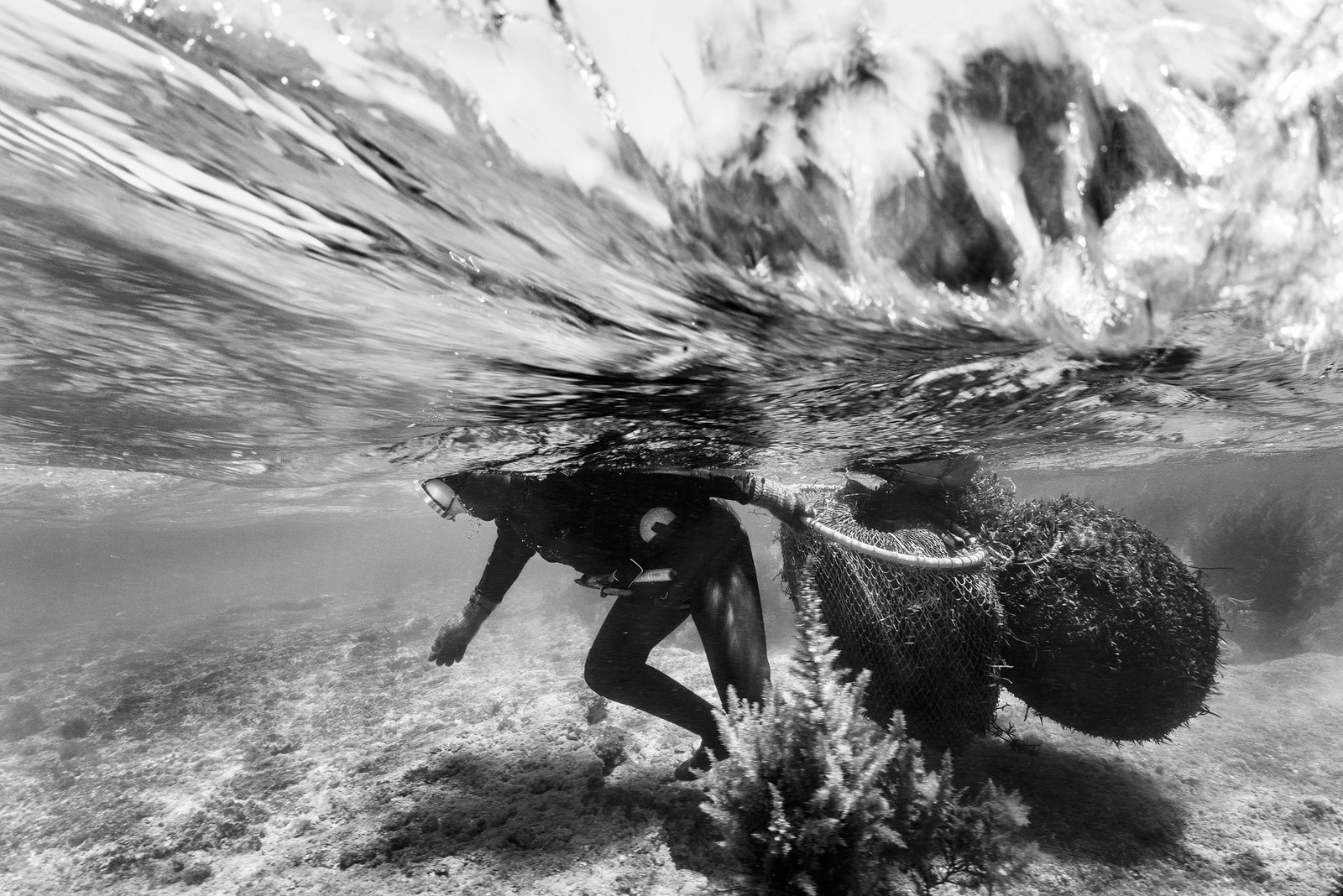
Há cerca de quatrocentos anos, mulheres da Ilha de Jeju, na Coréia do Sul, lançaram-se ao mar pelo sustento de suas famílias. Elas foram movidas por uma conjuntura sociopolítica que provocou um crescente êxodo dos homens, originalmente os responsáveis pela tarefa de mergulhar em busca de alimento no fundo do mar.
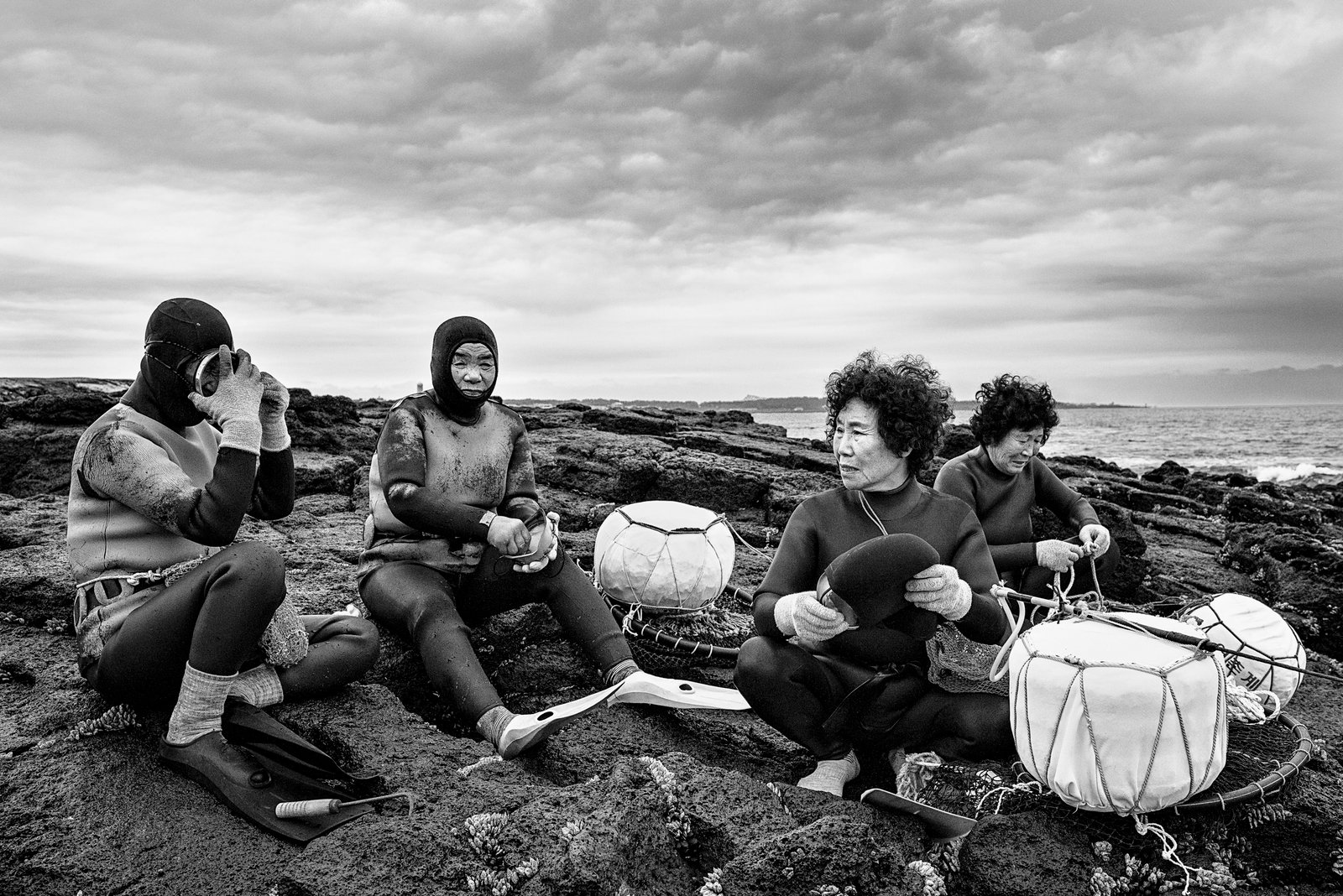
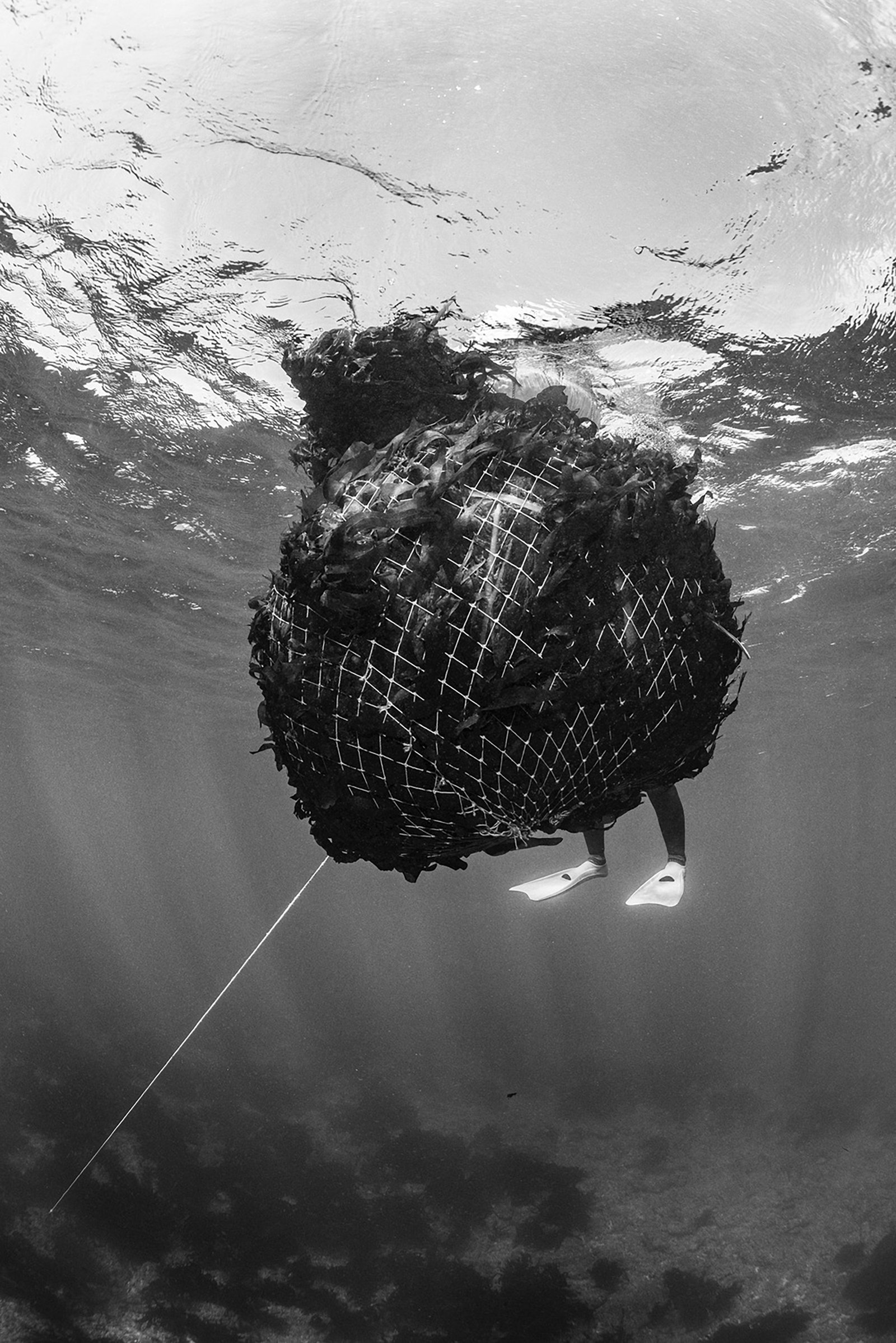
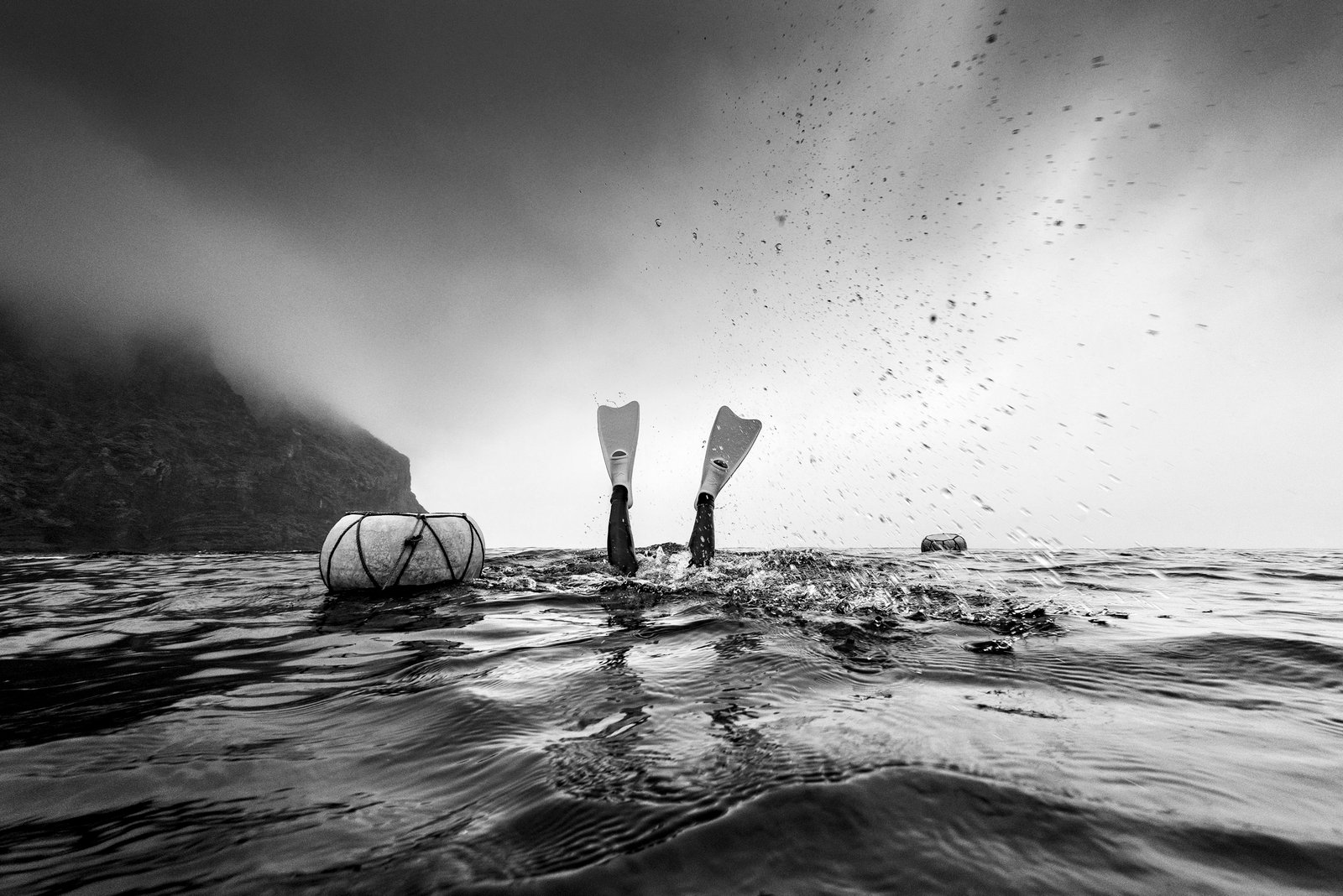
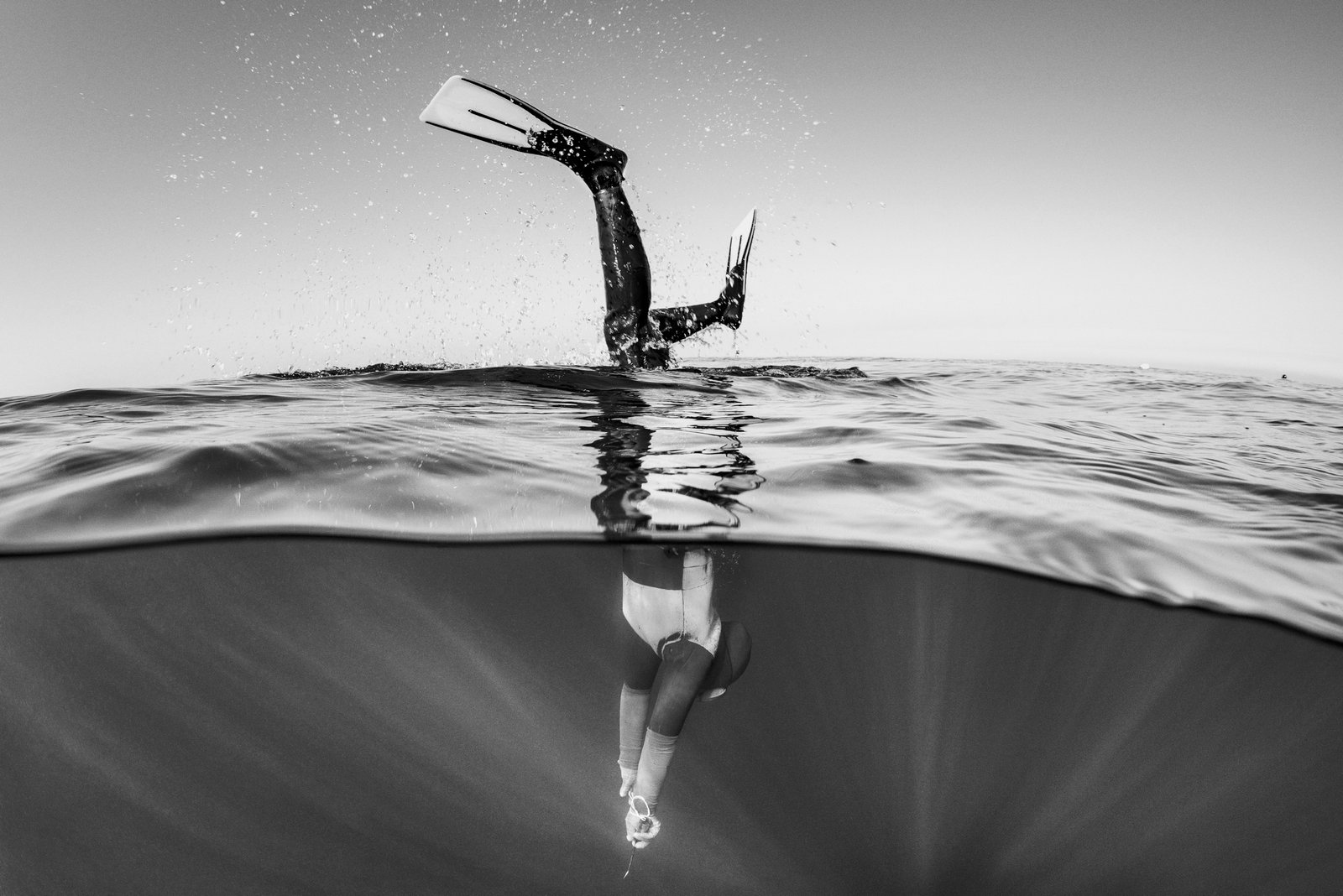
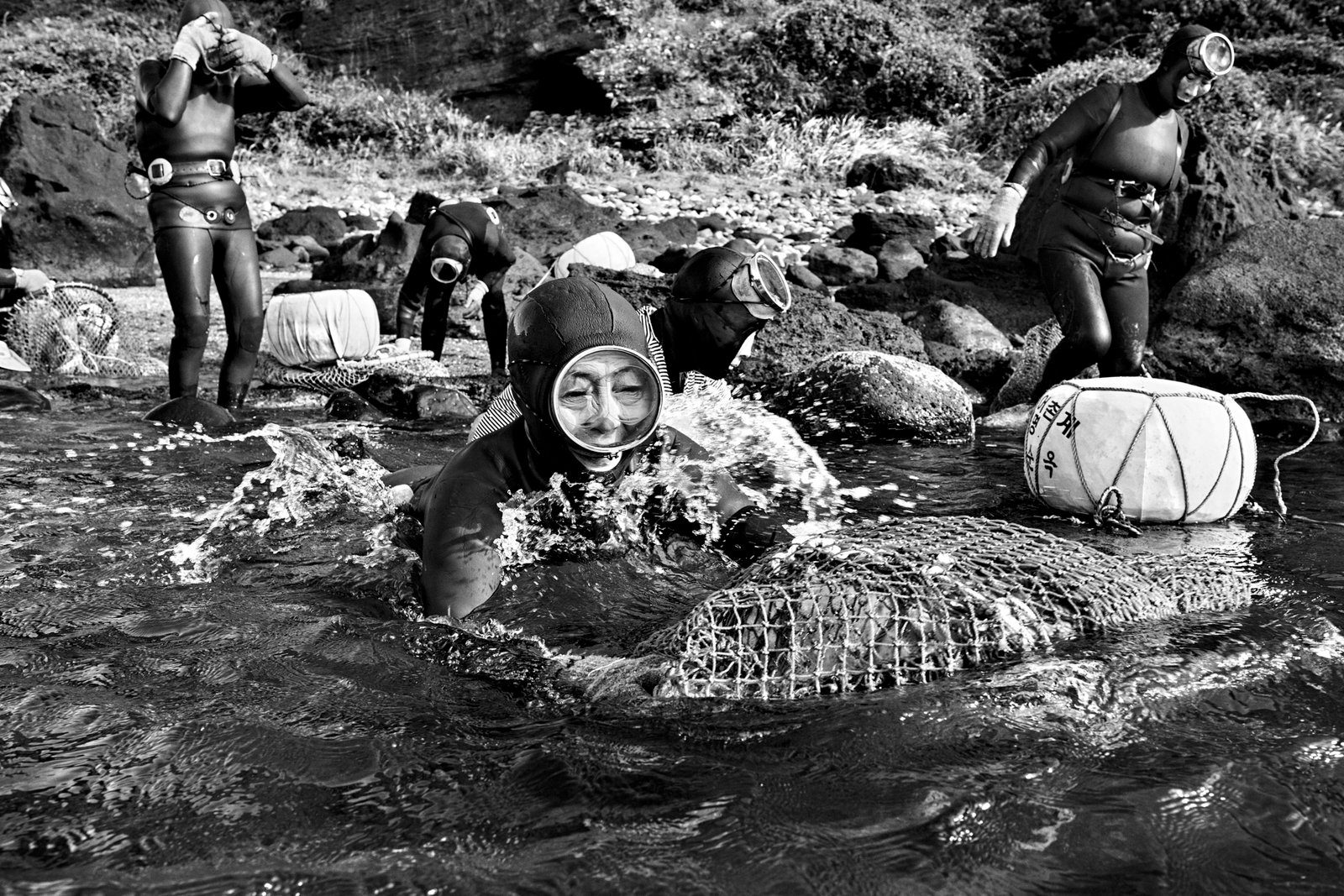
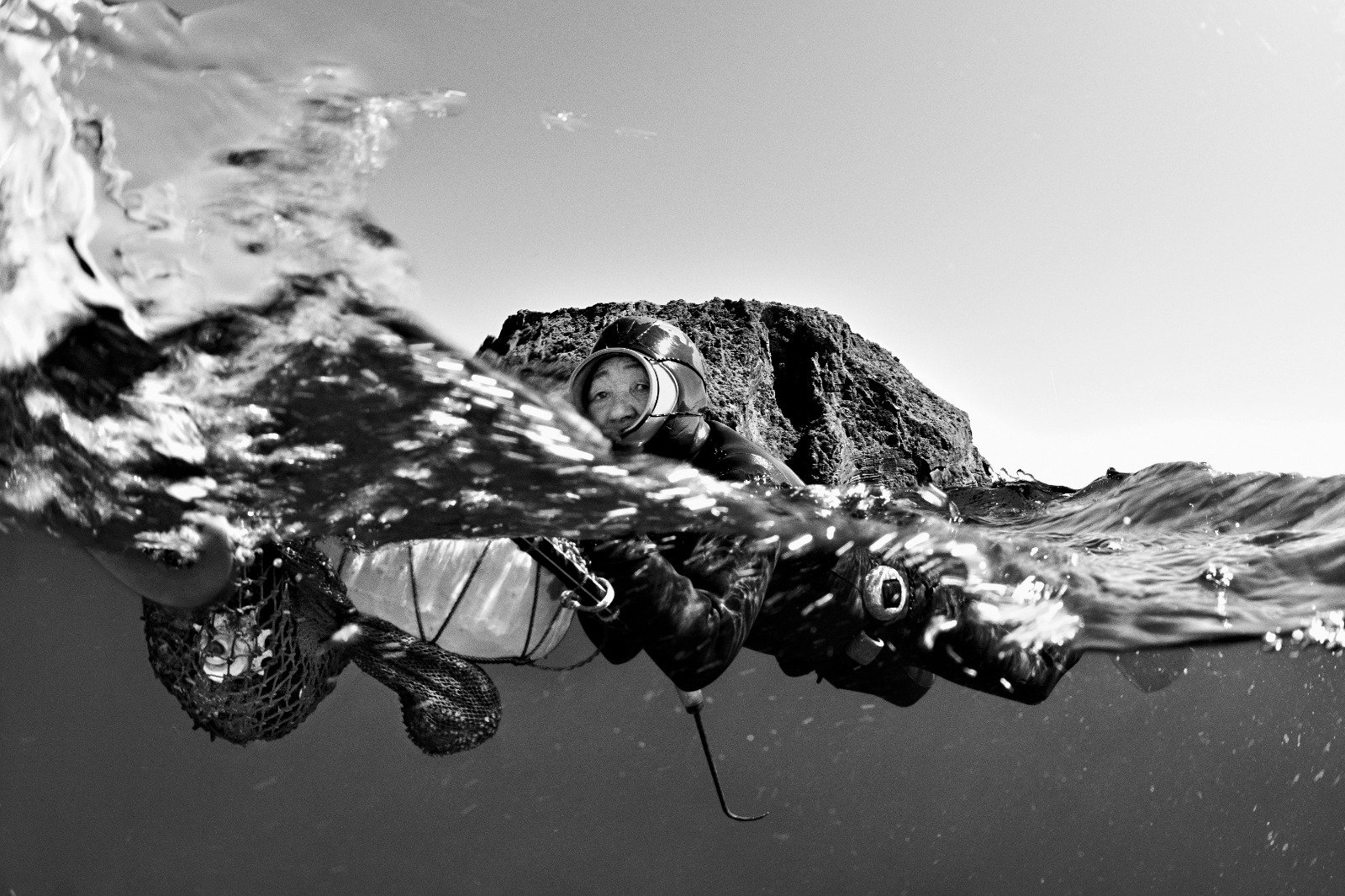
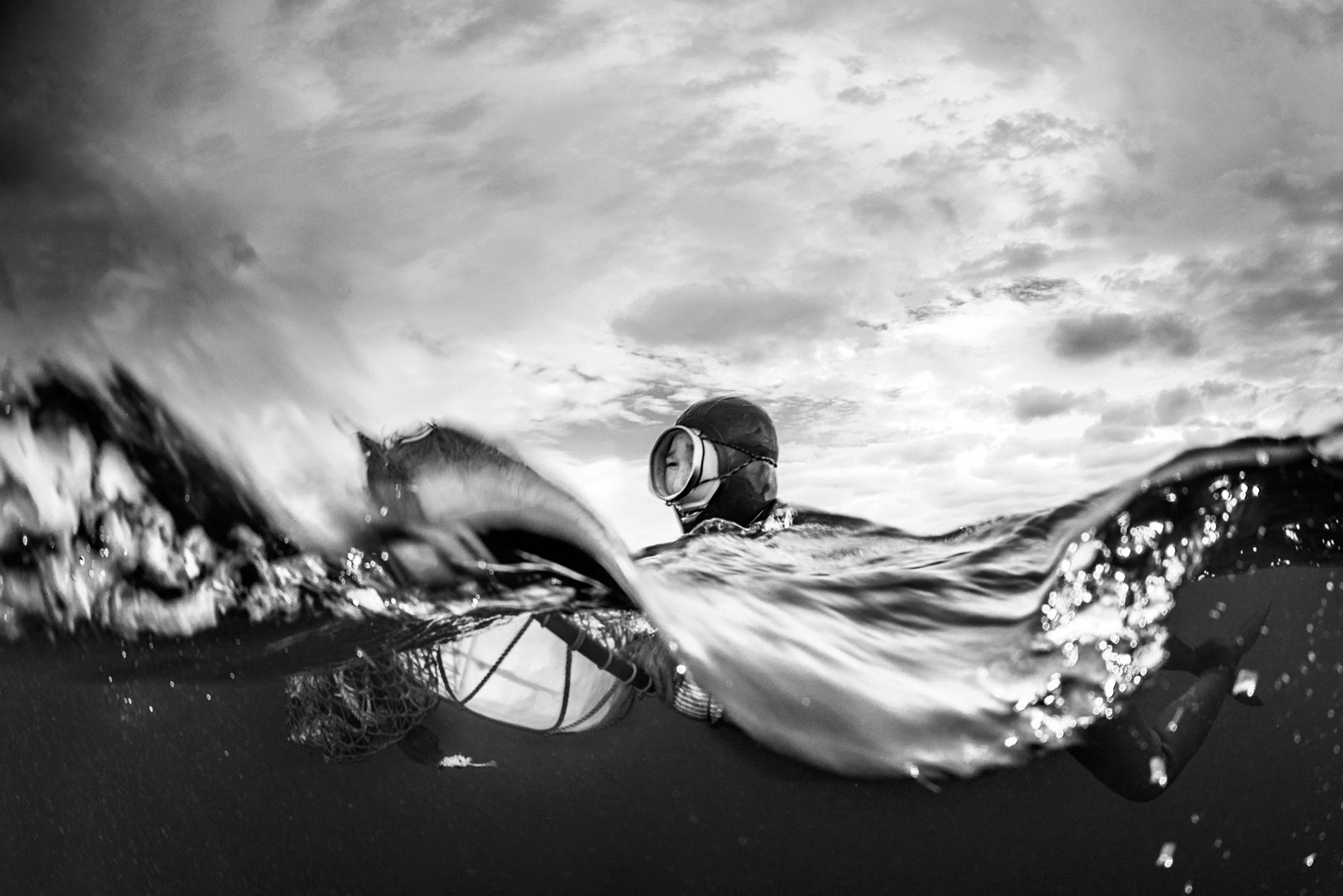
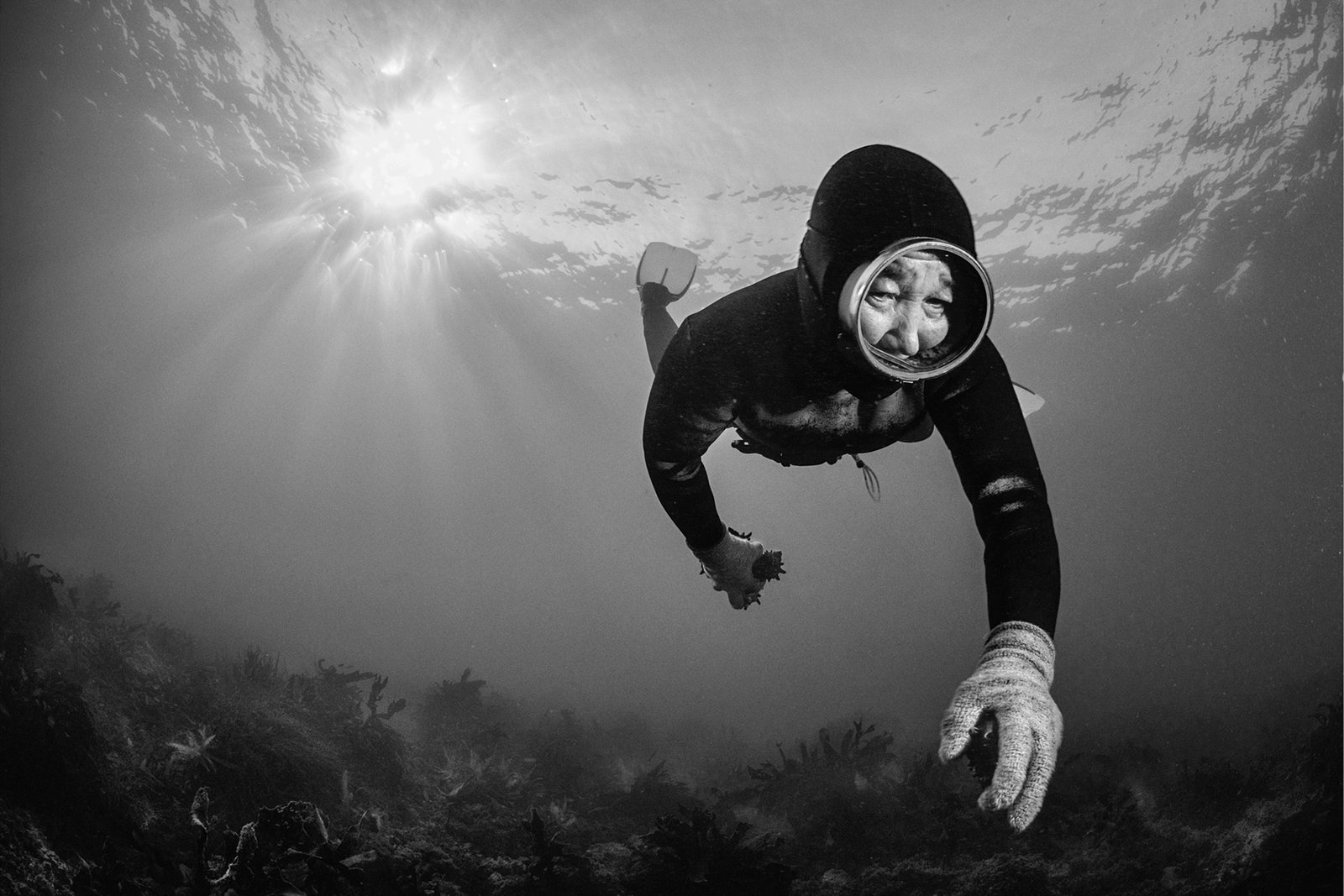
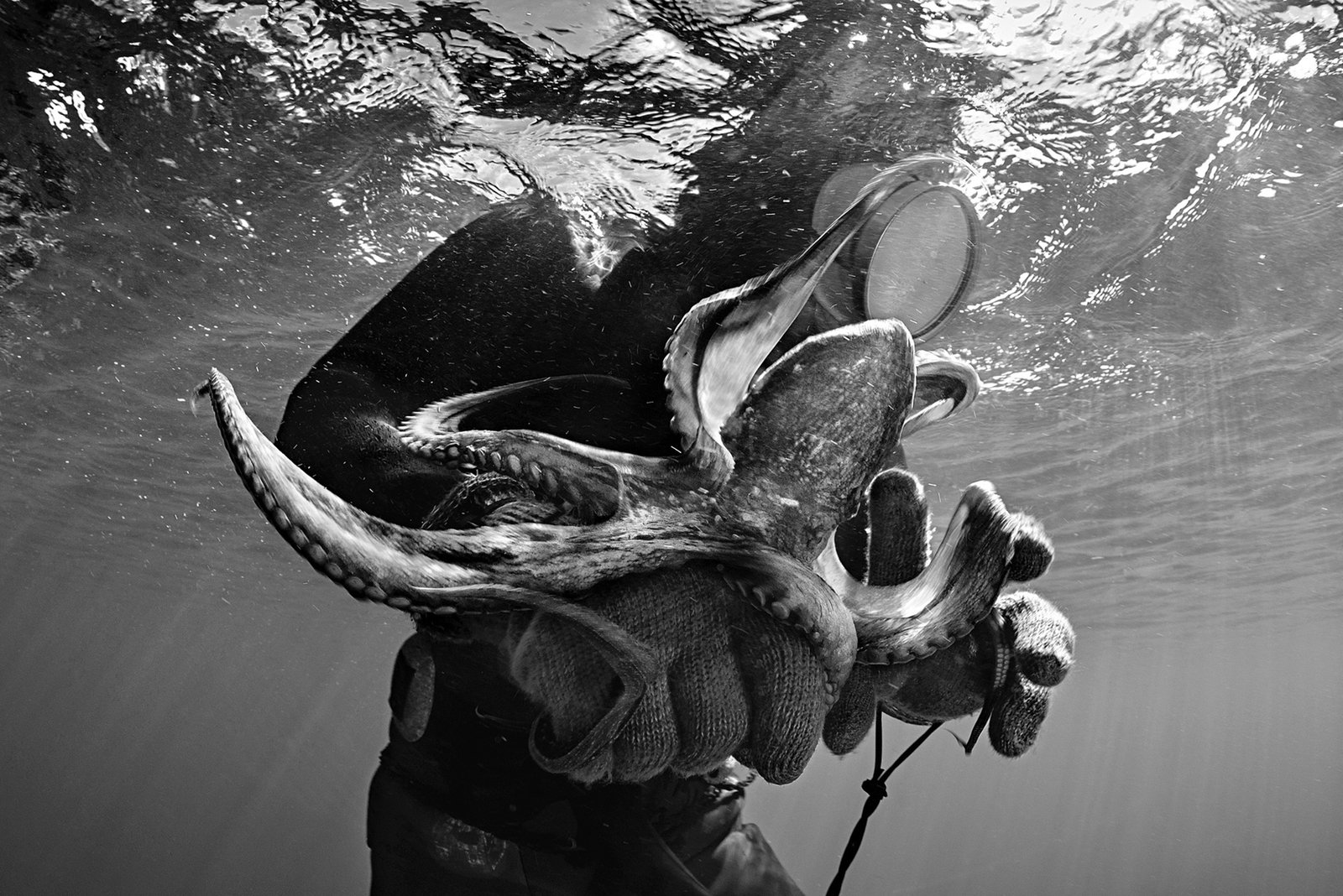
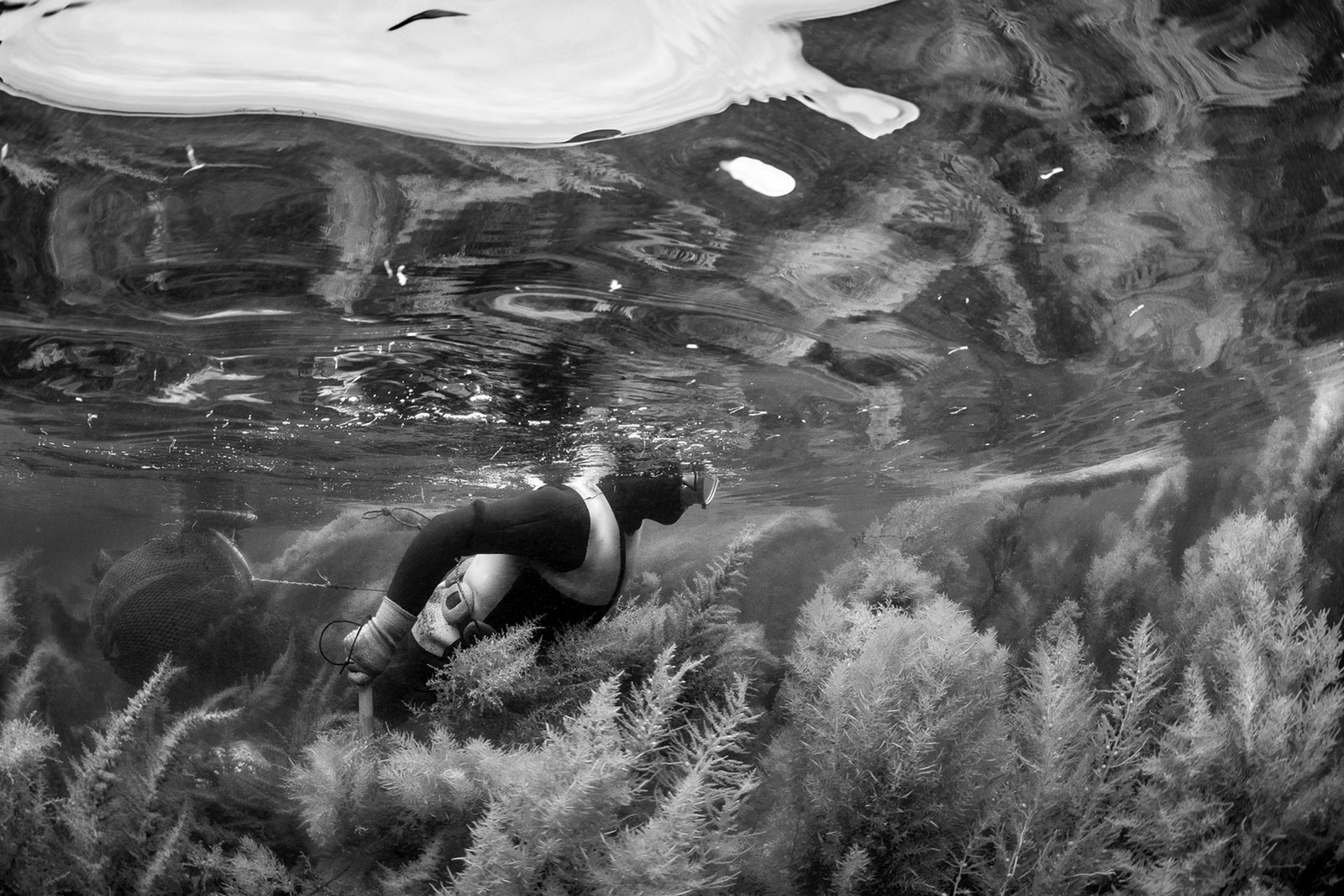
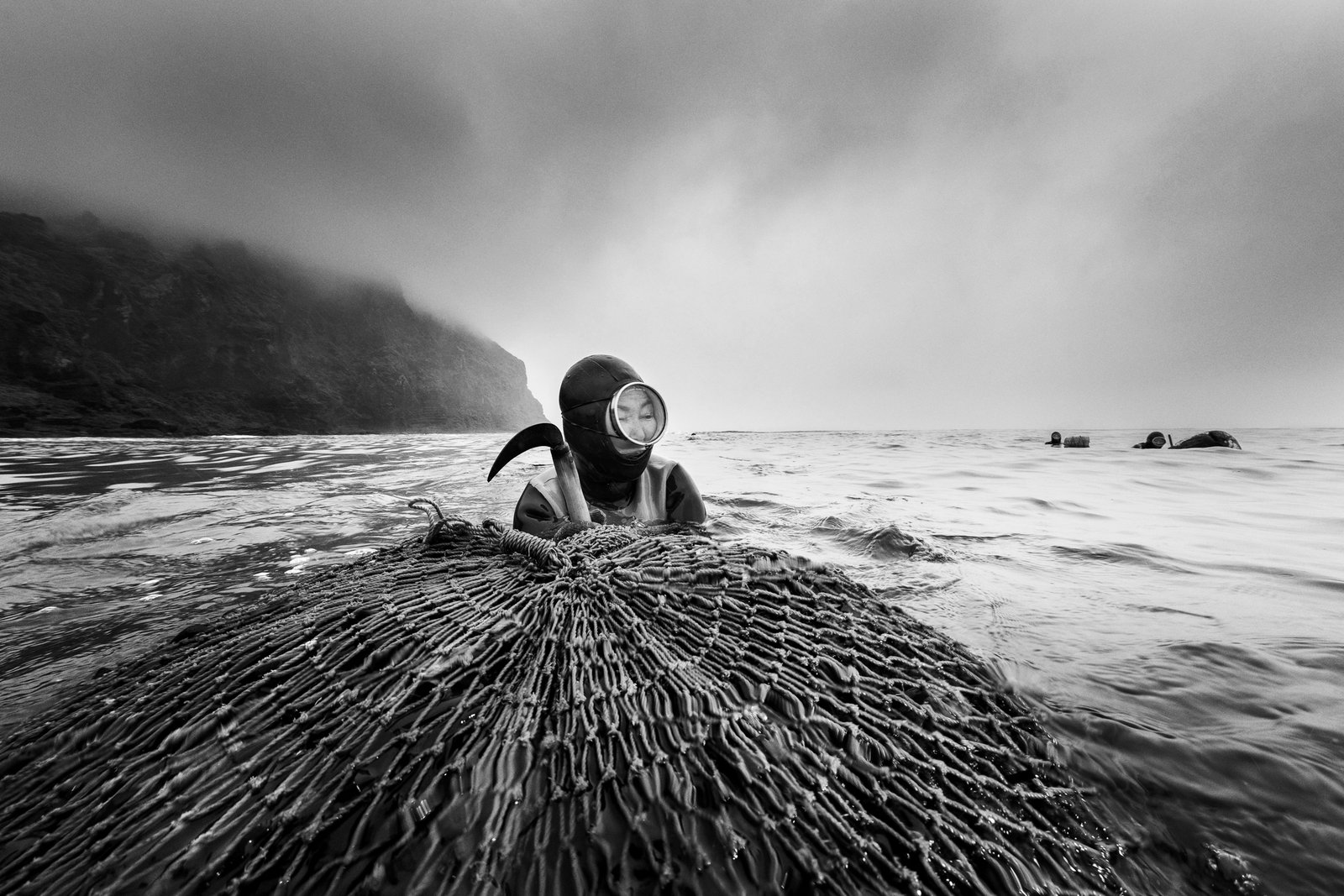
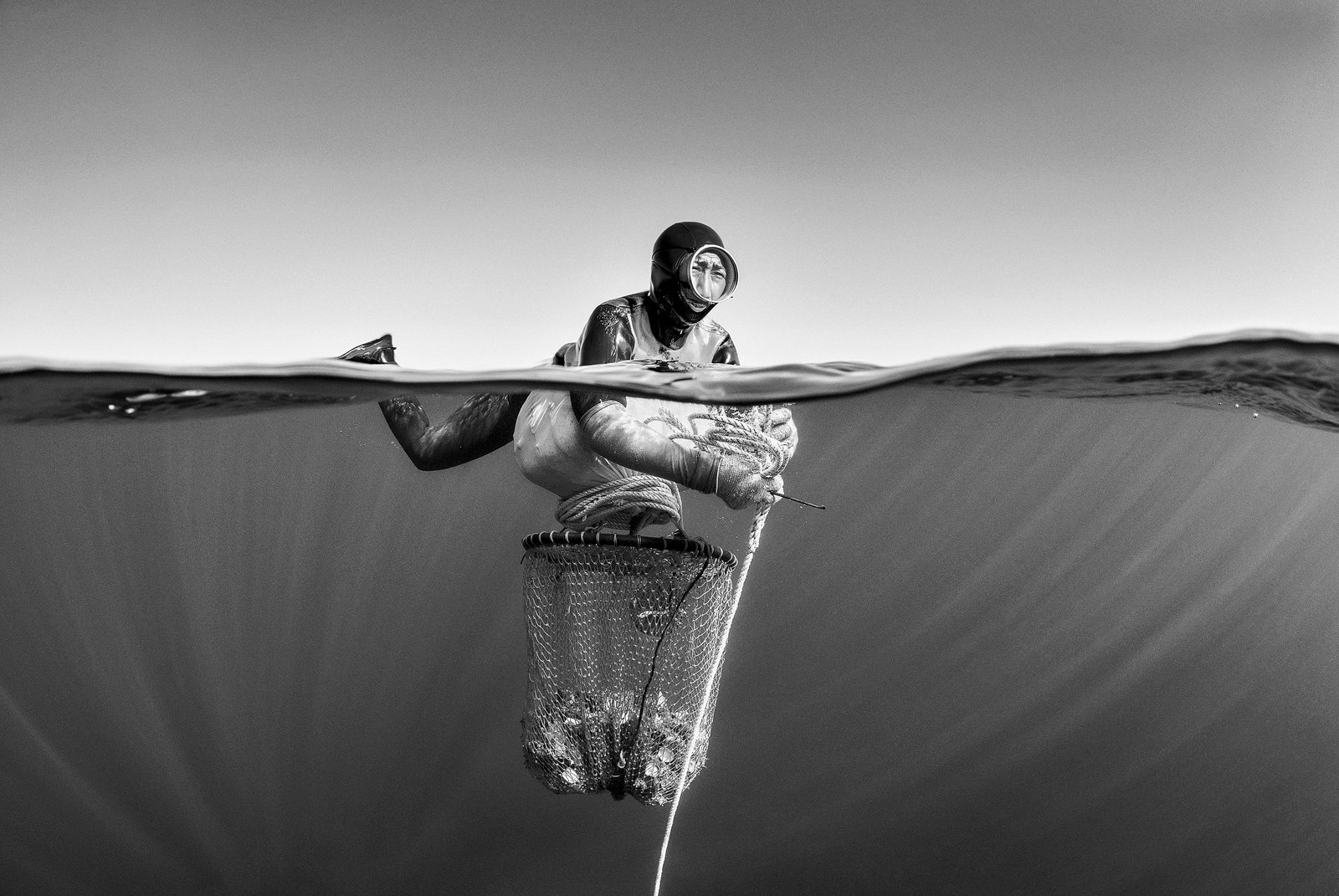
Com roupas de algodão e pequenos óculos aquáticos, as Haenyeo, ou mulheres do mar, como ficariam conhecidas, passaram a mergulhar - só com o ar dos pulmões - em grupos cada vez mais numerosos e coesos em termos de procedimentos e práticas. Após cada jornada no mar, reuniam-se ao redor do fogo e conversavam em um dialeto próprio. Também adotaram uma cosmovisão animista, com oferendas de agradecimento pelo alimento abundante nas águas e proteção contra tempestades e predadores marinhos. Surgiu assim, de forma insuspeitada, uma cultura exclusivamente matriarcal numa sociedade então pautada pela total submissão das mulheres aos homens.
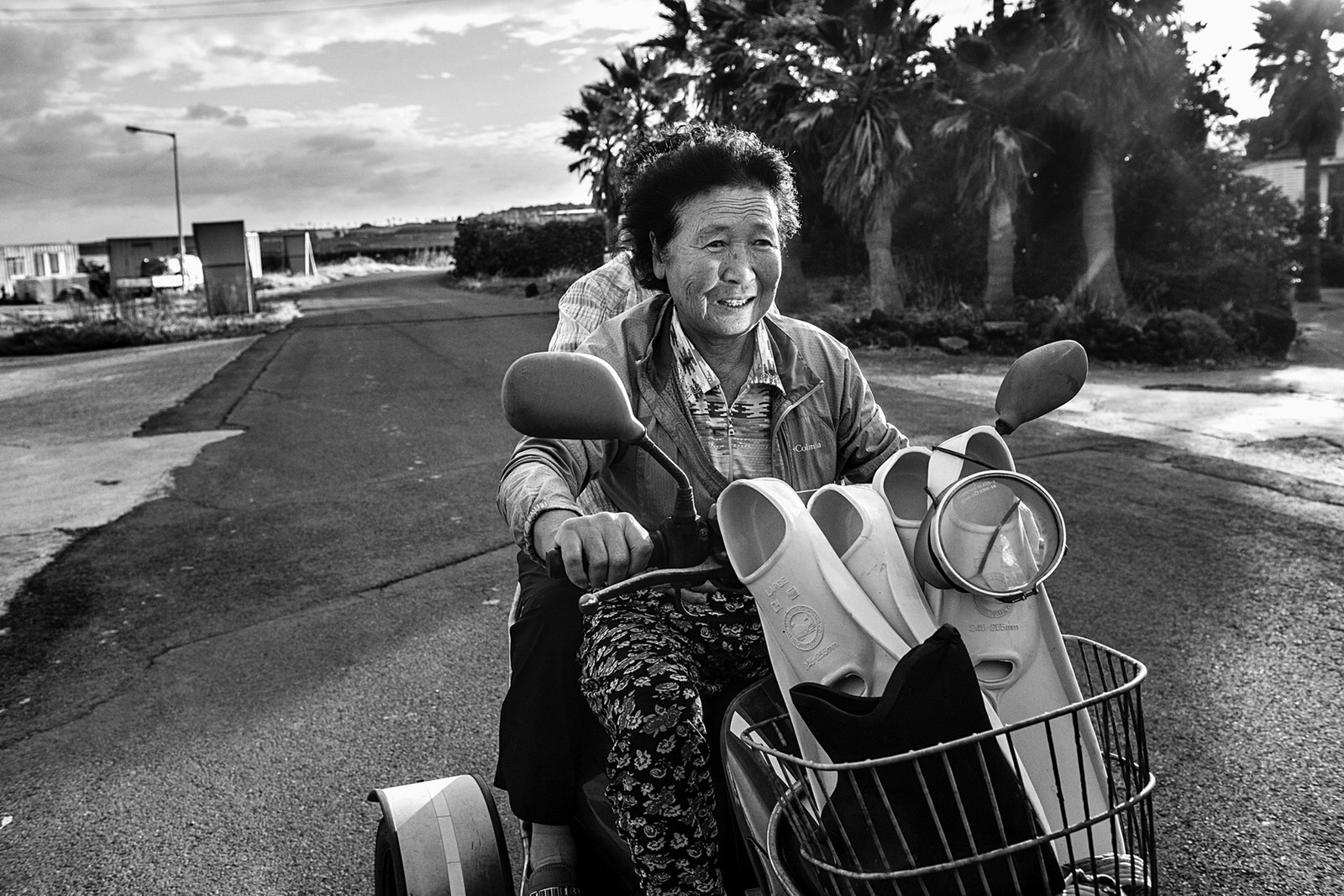
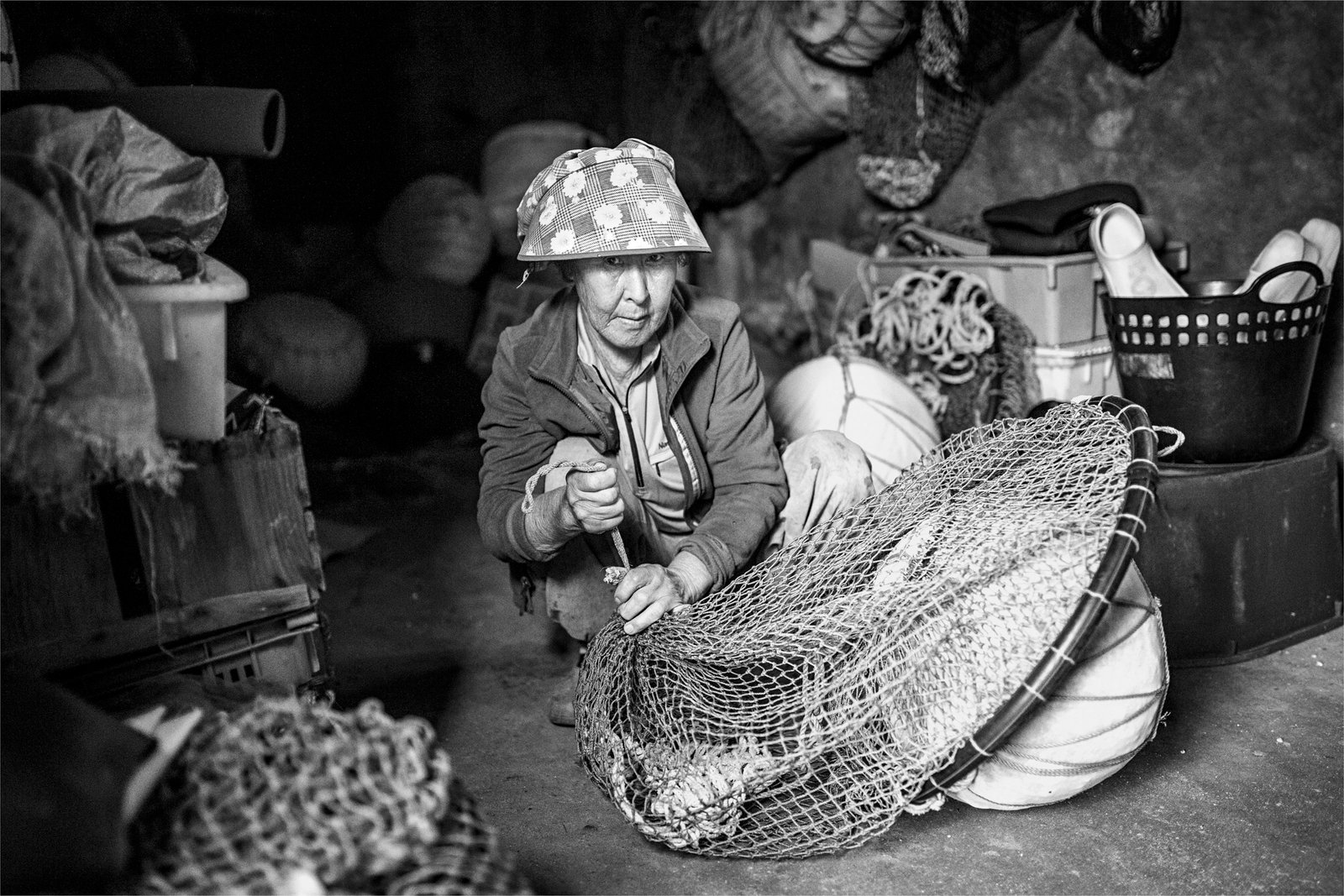
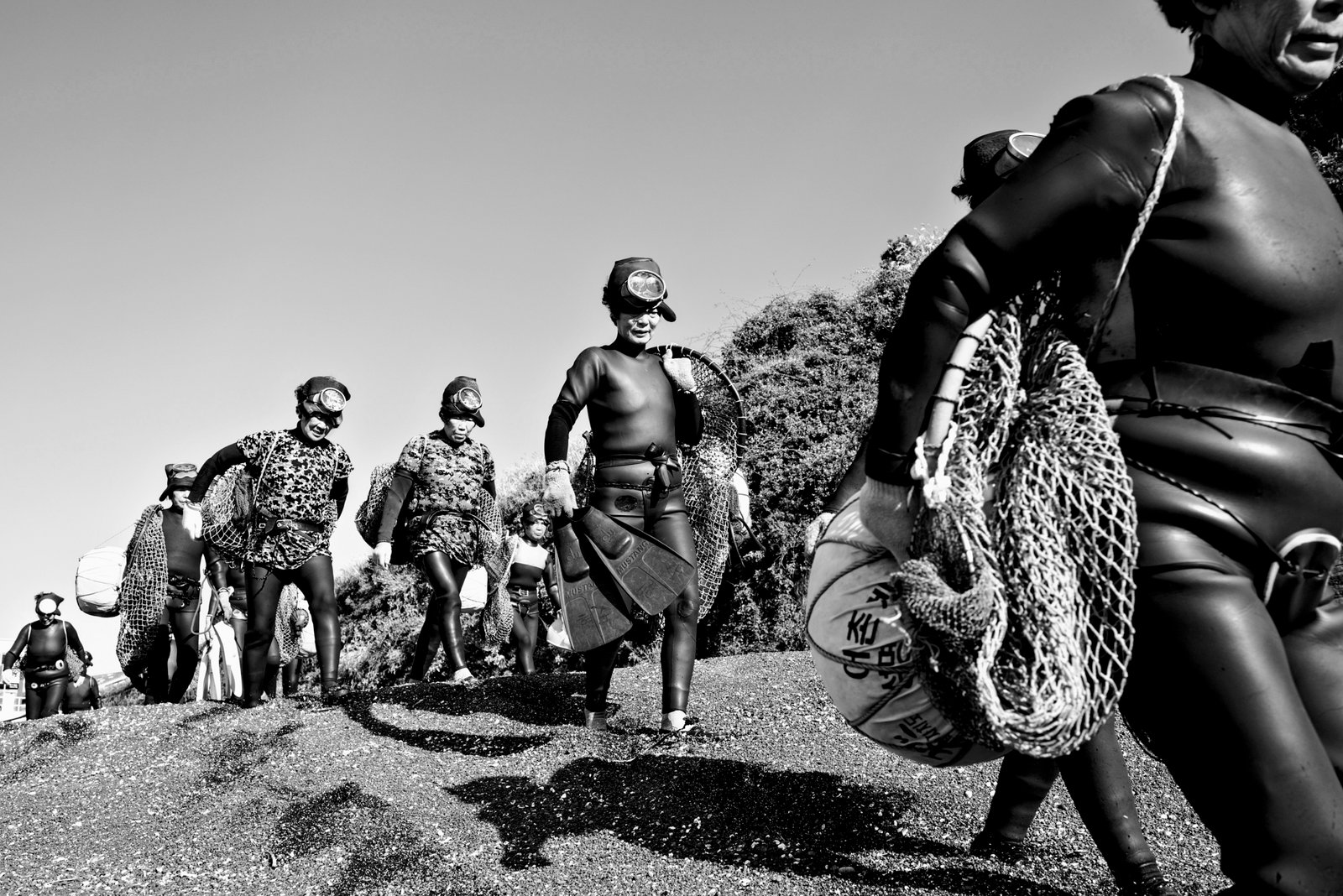
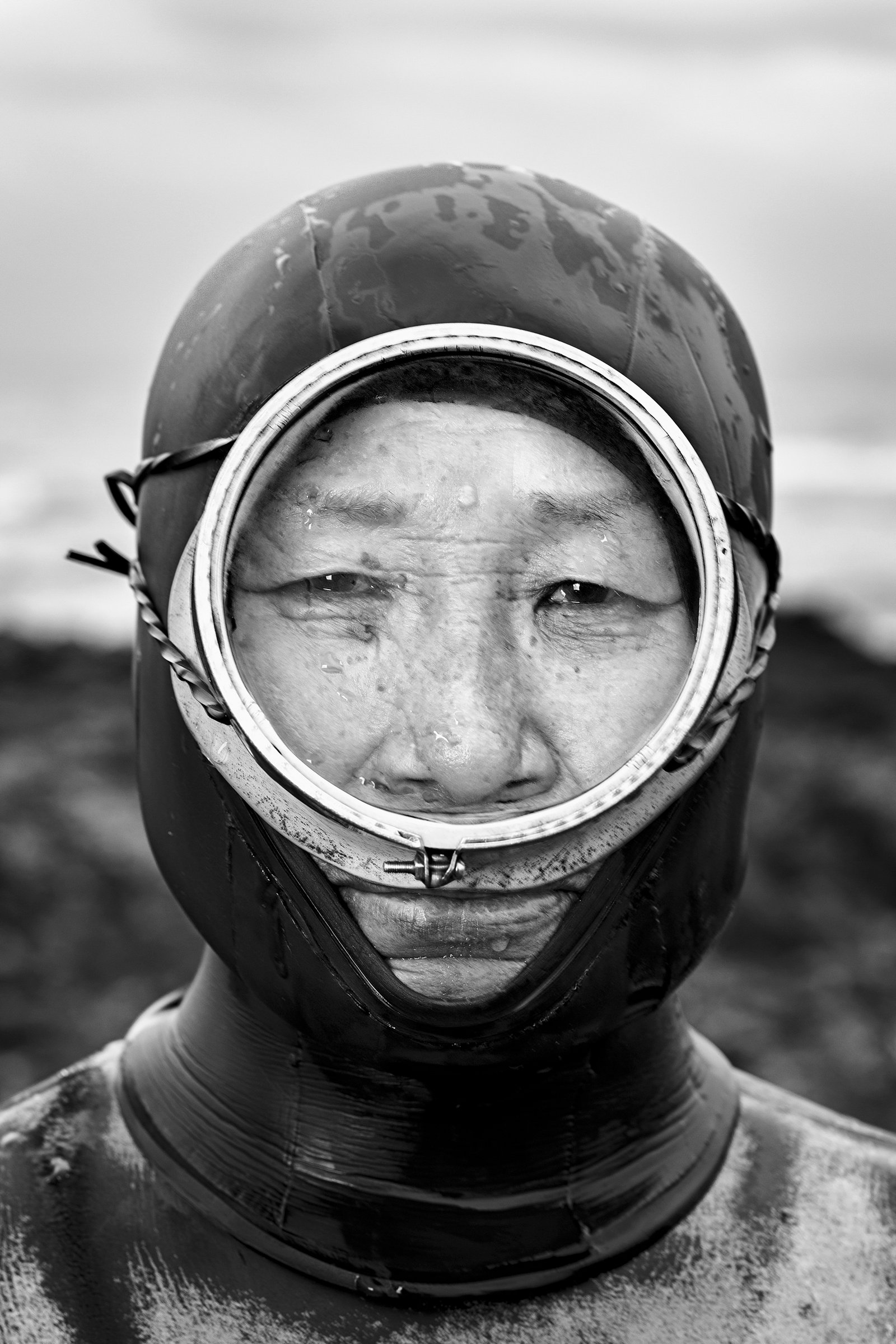
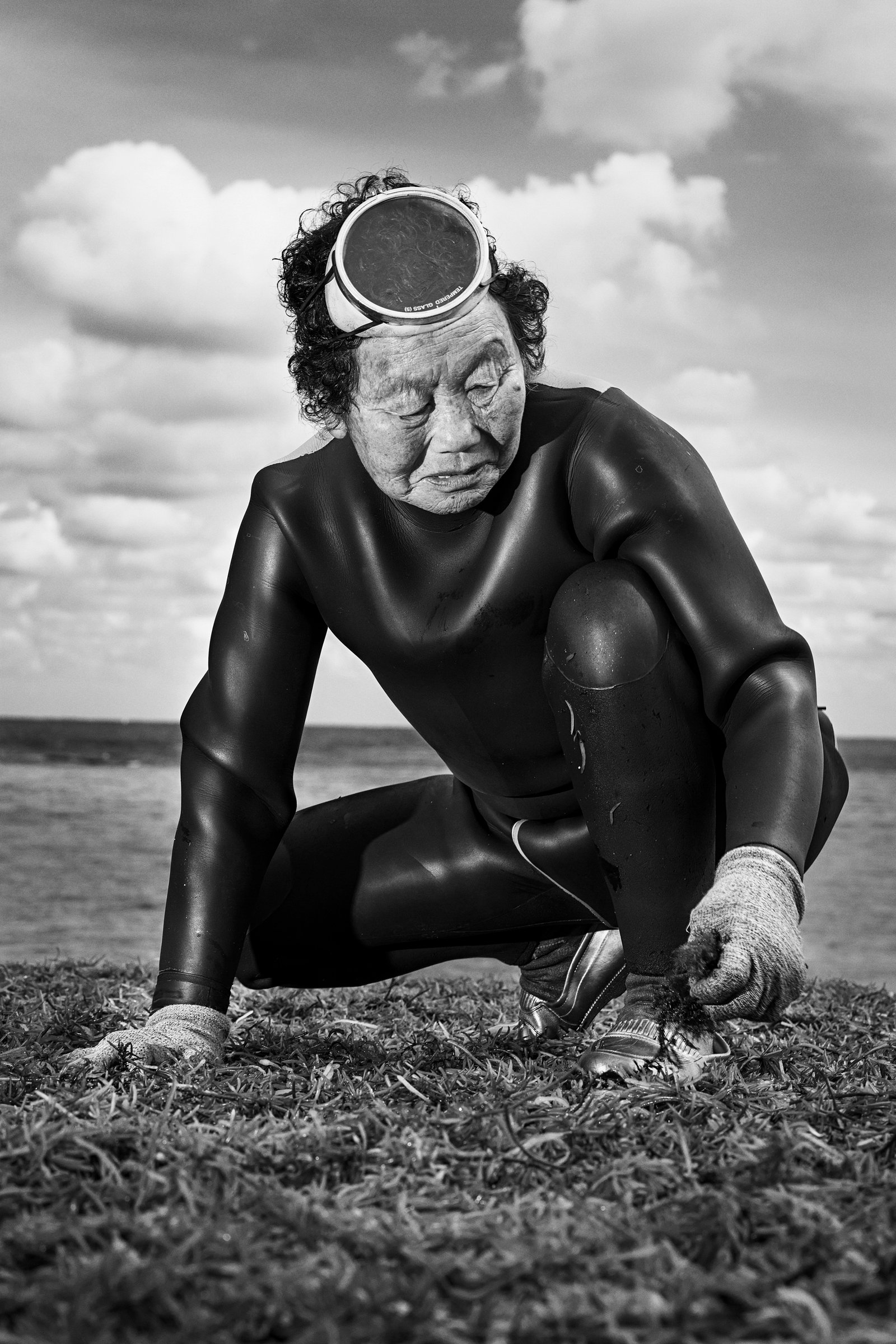
Esta exposição traz um recorte atual da cultura secular das Haenyeo, ainda viva no cotidiano de 4 mil mulheres de Jeju, quase todas entre 60 e 90 anos de idade, já que raras jovens abraçaram esse estilo de vida nas últimas décadas.
Cheguei a Jeju pela primeira vez, em setembro de 2017, com a missão de produzir uma narrativa fotográfica para o documentário Haenyeo, a força do mar, de Lygia Barbosa da Silva. A diretora filmou a história das mulheres do mar a partir dos meus movimentos em busca das fotografias delas, conectando o espectador com a história diante das minhas lentes. Depois do lançamento do filme no canal NatGeo, em 2018, o projeto de uma grande exposição das fotografias, no MIS, em parceria com Mônica Schalka (Vento Leste), me levou de volta à Ilha, em maio 2019, para completar o trabalho.
Ao receber o convite para fotografar as mulheres do mar de Jeju, pensei que abordaria sobretudo a sustentabilidade de uma atividade extrativista com quatro séculos de história. Mas os dias de convivência com Hyum, Song, Khang e as demais mergulhadoras, logo desviaram meu olhar para outros conceitos que emanam da vida das Haenyeo: a força da mulher, a impressionante longevidade, a saúde na maturidade, os laços de amizade e o pertencimento. As fotografias nestas paredes nasceram dessas percepções forjadas durante a minha convivência intensa com quatro grupos de Haenyeo, todas guardiãs de um modo de vida único, surgido da força de mulheres que foram para o mar pela sobrevivência e tiraram dele lições universais sobre a condição humana.
Luciano Candisani
HAENYEO, Women of the Sea, Luciano Candisani
May 30 - September 15, 2026
About four hundred years ago, women from Jeju Island, in South Korea, took to the sea to support their families. They were driven by a socio-political situation that caused a growing exodus of men, who were originally responsible for diving for food at the bottom of the sea.
Wearing cotton clothing and small underwater goggles, the Haenyeo, or sea women, as they would become known, began to free diving in increasingly large and cohesive groups in terms of procedures and practices. After each journey at sea, they gathered around the fire and conversed in their own dialect. They also adopted an animistic worldview, with offerings of gratitude for the abundant food in the waters and protection against storms and marine predators. Thus, unexpectedly, an exclusively matriarchal culture emerged in a society then characterized by the total submission of women to men.
This exhibition presents a contemporary snapshot of the centuries-old Haenyeo culture, still alive in the daily lives of 4,000 women in Jeju, almost all between 60 and 90 years old, as few young women have embraced this lifestyle in recent decades.
I first arrived in Jeju in September 2017 with the mission of producing a photographic narrative for the documentary "Haenyeo, the Strength of the Sea", by Lygia Barbosa da Silva. The director filmed the story of the sea women based on my movements in search of photographs of their daily lives, connecting the viewer with the story in front of my lens. After the film's release on the NatGeo channel in 2018, the project for a large exhibition of my photographs at the MIS (Museum of Image and Sound), in partnership with Mônica Schalka (Vento Leste), brought me back to the island in May 2019 to complete the work.
When I received the invitation to photograph the women of the sea, I thought I would primarily address the sustainability of an extractive activity with four centuries of history. But the days spent with Hyum, Song, Khang, and the other ladie divers soon shifted my focus to other concepts emanating from the lives of the Haenyeo: the strength of women, their impressive longevity, their health in maturity, the bonds of friendship, and their sense of belonging. The photographs on these walls were born from these perceptions forged during my intense interaction with four groups of Haenyeo, all guardians of a unique way of life, born from the strength of women who went to sea for survival and drew from it universal lessons about the human condition.
Luciano Candisani